Maonan Ethnic Group
Introduction
The Maonan Ethnic Group resides predominantly in the Guangxi Zhuang autonomous region of China, particularly within the Huanjiang Maonan autonomous county. Known for their rich cultural heritage and distinct folk traditions, the Maonan people, alongside the Miao and Yao communities, create a vibrant tapestry of ethnic diversity. The community is renowned for its traditional singing, dancing, and intricate ceremonies, which provide a window into the deep-seated customs and lifestyles of the Maonan. The Maonan Ethnic Group is celebrated for their cultural contributions, including their distinctive silver accessories and reed-pipe wind instrument performances, which have gained national attention.
History
The history of the Maonan people is deeply interwoven with the broader tapestry of Chinese ethnic history. The Maonan have inhabited the Guangxi region for centuries, and their presence is marked by a blend of agricultural and cultural evolution. Traditionally, the Maonan people engaged in hunting and millet cultivation, living in simple wooden and grass structures. Over time, they have adapted to modern changes, transitioning into spacious brick homes and diversifying their economic activities to include orange plantations and duck-raising businesses.
Language
The Maonan language is a critical component of the group's cultural identity. It belongs to the Tai–Kadai language family, which is distinctive to Southeast Asia. The language has a rich oral tradition, with folk songs and stories forming an integral part of Maonan cultural practices. Despite the pressures of modernization and the prevalence of Mandarin, efforts are being made to preserve the Maonan language as a living, spoken language among younger generations. Such linguistic preservation is crucial for maintaining the group's cultural heritage and ensuring its transmission to future generations.
Culture
The culture of the Maonan Ethnic Group is a vibrant tapestry of traditions, performances, and culinary practices that reflect their historical roots and environmental influences.
Traditional Clothing
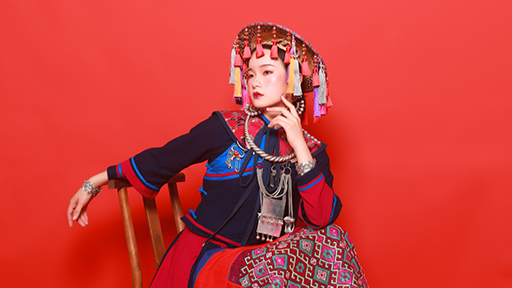
Maonan traditional clothing is known for its elaborate embellishments, particularly the heavy silver accessories worn by women. These accessories are not only aesthetically significant but also hold cultural importance, symbolizing the community's heritage and craftsmanship. The clothing often features intricate embroidery and is designed to reflect the unique identity and cultural pride of the Maonan people.
Maonan "Feitao"
"Feitao" in the Maonan language is a general term describing Maonan activities related to vow repayment. The Feitao dance was originally used for rituals, but has now become a colorful folk activity integrating with oral literature, folk songs, drama, dance, music, and other artistic elements of the Maonan ethnic group. "Feitao" has many categories, including songs, dance, stories, and mask carving. It was listed as a national intangible cultural heritage in 2006.
Festivals
Festivals play a vital role in the cultural life of the Maonan ethnic group, with the Fenlong Festival being one of the most celebrated events. Originating from a ritual to wish for a good harvest, the festival is rooted in Chinese mythology, celebrating the Dragon Kings. It includes traditional performances such as lion and dragon dances, folk songs, and sports competitions. The festival serves as a platform for showcasing the Maonan's intangible cultural heritage, promoting ethnic tourism, and strengthening the community's cultural bonds.
Cuisine
Maonan cuisine is characterized by its use of locally sourced ingredients and traditional cooking methods. Roasted pork is a staple dish, often served during ceremonies and celebrations. The community's agricultural activities, such as orange cultivation and duck farming, also influence their culinary practices, providing a range of flavors that are unique to the Maonan region. Visitors to Maonan areas are often invited to partake in these culinary traditions, experiencing firsthand the rich tastes and hospitality of the Maonan people.
Economy
The economy of the Maonan Ethnic Group has transitioned from traditional subsistence agriculture to a more diversified economic model. The development of tourism in the region, backed by government investment, has been a significant driver of economic change. Infrastructure improvements and the promotion of cultural tourism have attracted visitors, boosting local businesses and increasing income levels. The Maonan community has capitalized on its natural environment and cultural assets, such as lush forests and karst landscapes, to develop tourism offerings that appeal to both domestic and international tourists. This economic shift has been instrumental in raising living standards and providing new opportunities for the Maonan people.
Religion
The religious practices of the Maonan Ethnic Group are deeply rooted in traditional beliefs and customs. Ancestor worship and animism play a central role in their spiritual life, influencing various cultural and ceremonial practices. The community's festivals and rituals often reflect these beliefs, emphasizing the connection between the Maonan people and their environment. While modern religious influences have made some inroads, traditional Maonan religious practices remain a vital aspect of their cultural identity, shaping the community's worldview and social cohesion.
Cultural Preservation and Promotion
The preservation and promotion of Maonan culture are critical to maintaining its unique heritage in the face of modernization. Efforts are being made to document and promote Maonan traditions, such as music, dance, and language. These initiatives aim to engage younger generations, ensuring that the cultural knowledge and skills are passed down. The government's role in promoting ethnic tourism and developing cultural heritage sites has been pivotal in raising awareness of the Maonan's cultural significance. By integrating traditional culture into tourism offerings and educational programs, the Maonan community is working to ensure the longevity and vibrancy of their cultural legacy.








